

Cashew, The English Name Derived From The Portuguese Name
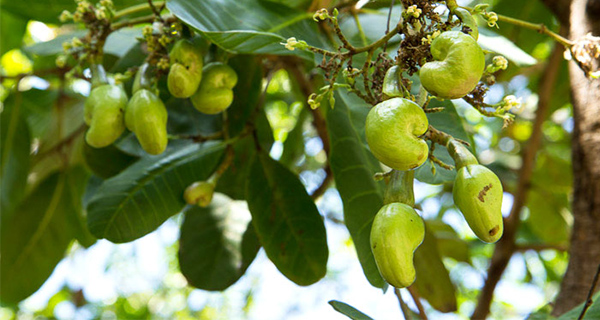
Cashew, the English name derived from the Portuguese name for the fruit of the cashew tree, caju, belongs to a tree in the family Anacardiaceae, is originally a native of Northeastern Brazil. The name Anacardium refers to the shape of the fruit which looks like an inverted heart.
The tree is large and evergreen, growing up to 10-12 m tall, with a short often irregularly shaped trunk. The largest cashew tree in the world covers an area of about 7,500 square metres.
The Fruit Of The Cashew Tree Is An Accessory Fruit
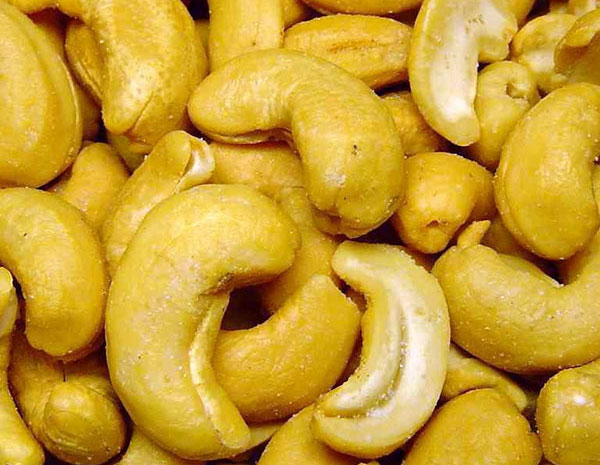
The fruit of the cashew tree is an accessory fruit. The true fruit of the cashew tree is a kidney or boxing- glove shaped drupe that grows at the end of the cashew apple. The drupe develops first on the tree, and then the pedicel expands to become the cashew apple. Within the true fruit is a single seed, the cashew nut. Even though a nut in the culinary sense, botanically the nut of the cashew is a seed.
Have Any Question? Call US!
Phone: (971) 4 2263183 / 2260033
Fax: (971) 4 2263449
While native to Northeast Brazil, the Portuguese took the cashew plant to Goa, India, between the years of 1560 and 1565. From there it spread throughout Southeast Asia and eventually Africa.